CBT ToolTalk
CBT ToolTalk #89: You Were Fine Until You Got Home
2026-11-26
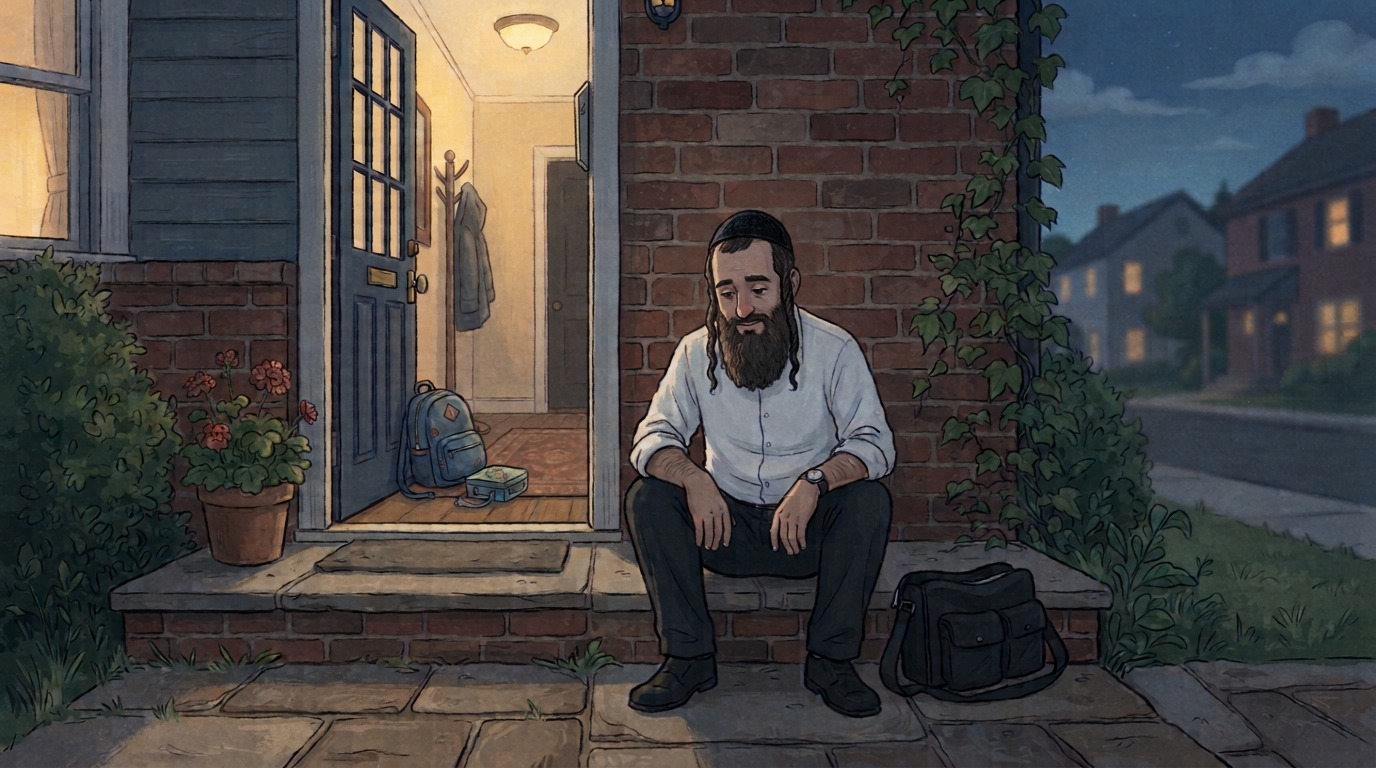
You had patience for everybody that day. Then you came home, tripped over a schoolbag, and from the way you reacted, you’d have thought someone put it there on purpose.
The bag needed to be moved. But if you’d tripped over it on your way out that morning, you probably would have picked it up and kept walking. Same bag. Same hallway. So what happened between morning and evening?
There was the customer who needed you to explain the same thing three times. The phone call you were still thinking about on the way home. The lunch you kept putting off until it was too late to bother. You handled each thing well enough. By the time you opened the front door, though, you had very little patience left and a house full of people who understandably assumed you’d brought some home with you.
What happened before the bag?
When you look at a reaction that seems bigger than the situation called for, it helps to start the story a little earlier. You can ask what went through your mind in the moment, but also what made that thought so easy to believe. Nothing comes from nowhere, and it’s important for us not only to understand what’s going on with us right now, but to see the whole picture and understand what led to this.
Think about what went through your mind in that moment. After a day of “Do you have a minute?” and “Can you also…?” it was easy to look at the bag and think, Here we go again. One more thing I have to deal with.
And when you look back, there were clues. You’d been answering people politely all afternoon. You’d also been hoping nobody would ask you for one more thing. If someone had asked you at four that afternoon how you were doing, you probably would have said, “Fine.” You were getting things done. It hadn’t occurred to you to check how much effort that was taking.
The Kedushas Levi teaches that when you look for the merit in another person, you awaken compassion from Above. It’s worth bringing some of that same generosity to the way you look back at your own day.
If all you saw was someone snapping over a schoolbag, you might wonder what their problem was. If you’d been with them since breakfast, you might have seen how much patience they’d already used by the time they got home. You can apologize for how you spoke and still ask, “What could I do a little earlier tomorrow, before I get to the hallway?”
🛠️ Getting Practical: Take Five Before You Dive In
Try it for three evenings.
Pick the moment when you usually get sharp. It might be when you walk in, or when you close the laptop and head straight into supper and homework.
Give yourself five minutes somewhere around that handoff. Sit for a moment before you go in and allow yourself to breathe and settle down. Have something to eat. Or greet everyone and say, “Give me five minutes to get settled, and then I can help.” If the house needs you right away, take one slow breath before you answer the first thing you hear.
Then see what happens to your first response. You may still be tired. The bag may still be there. But you might be able to say, “Can you move your bag, please?” in a voice that lets the person hear what you’re actually asking.
Shabbat Shalom!
Related topic: Overwhelm & Stress
Educational note: CBT ToolTalk and Breakthrough resources are for education and personal growth and are not a substitute for medical or mental-health diagnosis or treatment.