Breakthrough Resources
What World Do You Live In?
2026-02-12
The Darchei Noam teaches that two people can share almost identical lives. They may work or learn in the same environment, have similar families, good health, and similar routines.
Yet they live in completely different worlds.
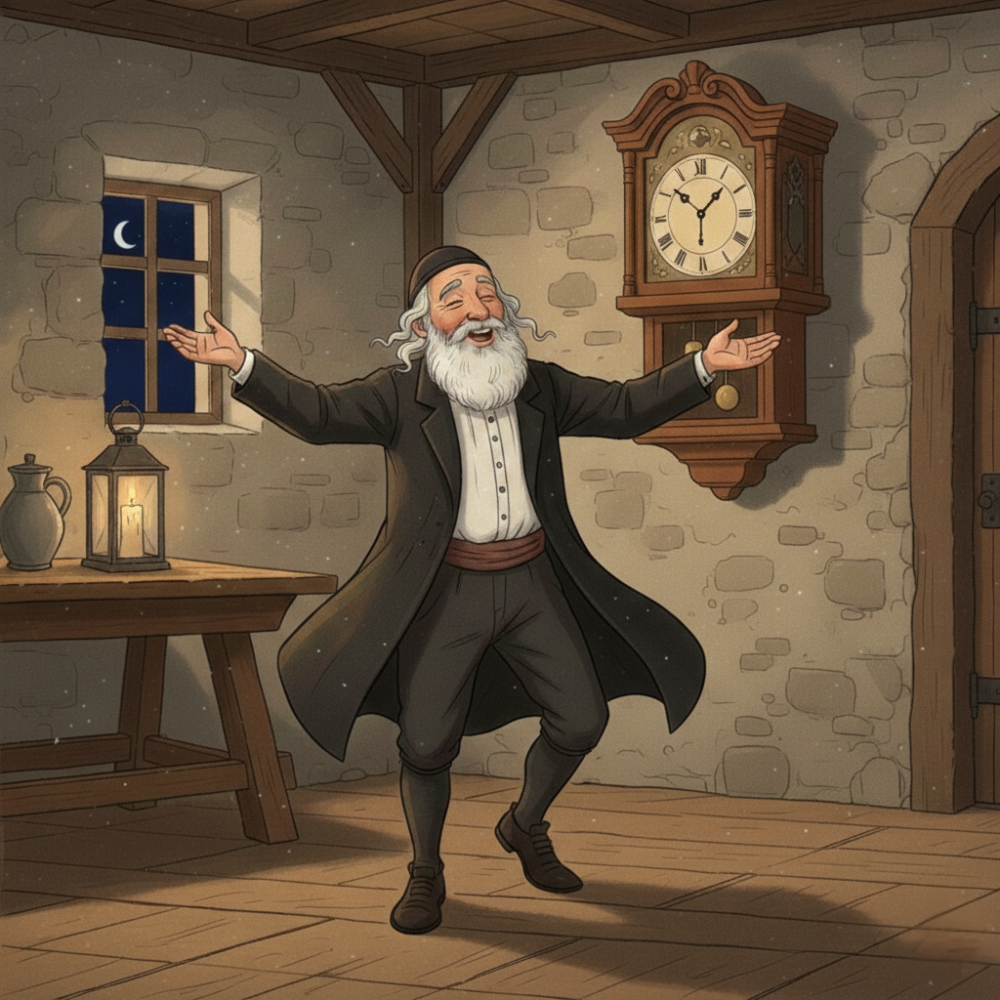
It is told that the Baal Shem Tov once had to stay overnight at a roadside inn. The innkeeper, recognizing him, gave him his own room and slept in the closet. In the middle of the night, the innkeeper heard movement and peeked through the keyhole. He saw the Baal Shem Tov dancing alone in the dark.
In the morning he asked, “Rabbi, what were you dancing about?”
The Baal Shem Tov asked about the clock in the room. The innkeeper explained that years earlier the Rabbi of Brod had given it to him in place of payment during a storm. The Baal Shem Tov said, “That clock once hung in the synagogue in Brod. The rabbi there would point to it and say, ‘Most clocks tick one second closer to death. This clock ticks one second closer to Moshiach.’ When I saw it and watched the seconds pass, I kept thinking, ‘One more second closer to redemption,’ until I could not help but dance.”
Same clock. Different world.
The pessimist drudges through life, focused on what could go wrong. Even when he succeeds, he sees the flaw. He avoids risk, guards himself, and lives tense.
The optimist wakes up ready to engage. He sees blessing, remains present, and believes growth is possible even in difficulty.
Then there is the realist. We must live with optimism, but plan with realism. Blind positivity is not wisdom. We live internally as optimists, plan practically as realists, and understand that others may be living in very different worlds.
Most of us move between these mindsets depending on mood, stress, and circumstance. That is normal.
The responsibility is awareness. Which world am I living in right now? And if it is not serving me, how do I shift it?
You live in your world. And your world is shaped by how you choose to see it.
So what world do you live in?